

Biology of Opioid Use Disorder (OUD)
OUD is a disease, not a moral choice. Prolonged misuse of opioids can physically change the brain.
We get it. You’re probably scared and anxious. We know because many of us at Crossroads have been in your shoes. We hope you will join the 26,000+ people per month that we help get their lives back.
You can expect a warm welcome for the courageous decision you have made. First, we meet you where you are. We will provide you with an individualized health assessment, start your medications and address your withdrawal symptoms. We will clearly explain the entire process to you step-by-step.
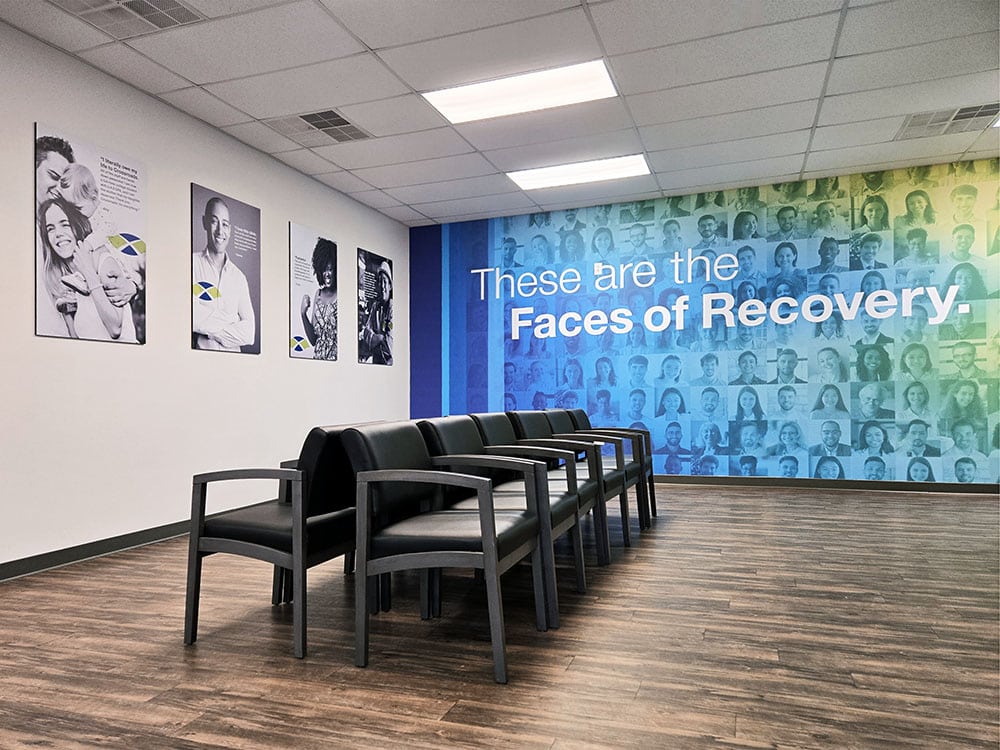
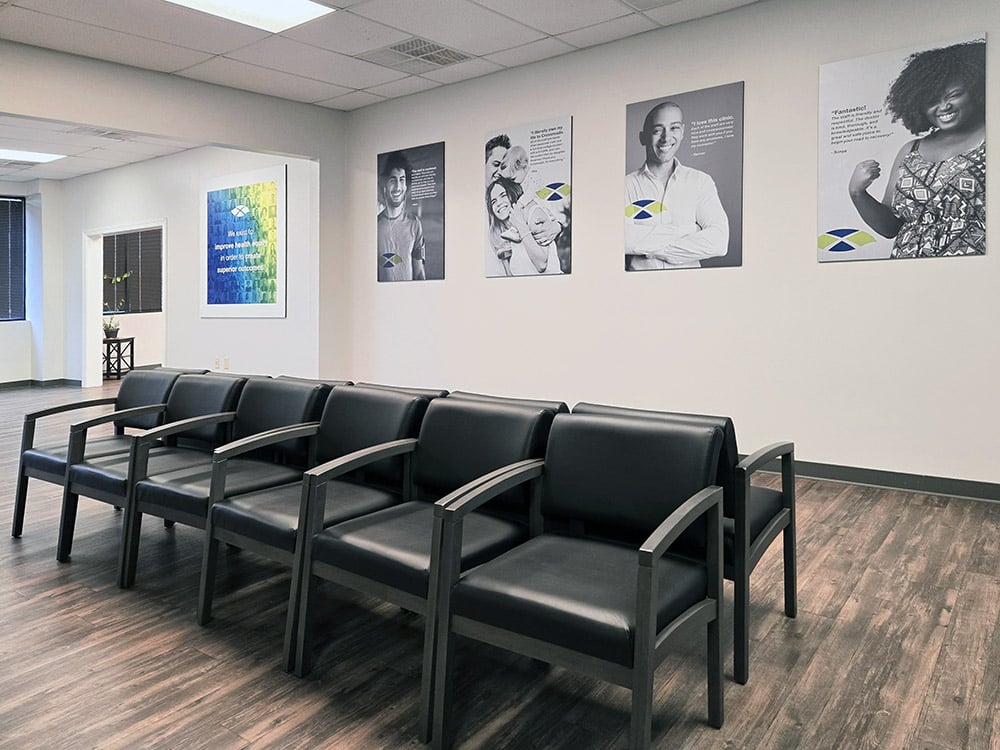
Be prepared for your first visit to be detailed and thorough. On your first visit, expect us to:
Request your medical history.
Ask you to complete paperwork and sign forms.
Introduce you to your care team, including a care manager or a counselor.
Complete your lab work.
Explain what’s next and the frequency of your visits.
Give you Naloxone (including Narcan), which we will explain how to use.
We will create an individual, customized care plan based on your unique needs.
Crossroads is a safe haven. We will get to know you on a personal, first-name basis. We provide a caring and compassionate space and strive to treat you like we would treat a family member. You are important, and you will feel that way here. Recovery is progress, not perfection. We will cheer you on and celebrate your milestones. Call or text 855.694.8288 to get help now.
OUD is a disease, not a moral choice. Prolonged misuse of opioids can physically change the brain.
OUD is a treatable disease. As you progress in treatment, your brain heals and responds with physical changes.
While there are no brain scans or blood tests to measure opioid receptors or endorphin levels, we now have evidence-based treatment and plans which can lead to lasting success and prolonged and durable remission.
The first step on your recovery journey starts here.